Building a Word Journal You'll Actually Use
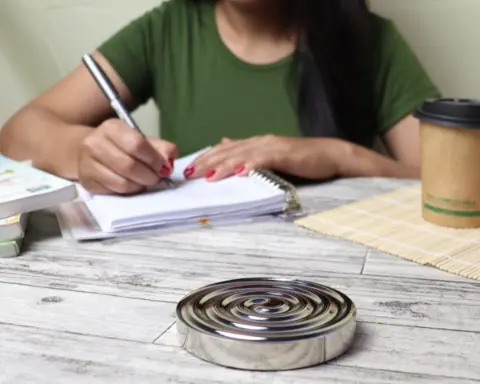
A word journal is where a word stops being something you looked up and becomes something you own.
There's a special kind of memory that comes from words you met yourself — in a book you loved, a conversation, a song stuck in your head. A word journal captures exactly those, turning fleeting encounters into a personal, growing record of your language. Done right, it's one of the most enjoyable tools you'll keep.
The trick is building one you'll actually reopen. Here's how.
Key takeaways
- A word journal captures words you meet, with context that makes them personal.
- Keep entries short — a word, a sentence, where you found it.
- It complements flashcards; it doesn't replace them.
- Reread it and promote the best words into your review system.
Why a word journal works
Words you capture yourself come pre-loaded with context — you remember where you found them, and that story is a memory hook a bare vocabulary list can never offer. The small act of writing a word down is also a first review, and choosing which words are worth recording keeps you engaged with the language instead of passively scrolling past it.
How to set one up
Pick a home
A pocket notebook, a notes app, a single document — anything you'll have on hand when a word strikes. Portability beats prettiness.
Keep a simple format
For each word: the word, a short example sentence, and where you found it. That's enough. Elaborate templates are the fastest way to abandon a journal.
Capture in the moment
Jot the word when you meet it, even roughly. You can tidy and translate later — the point is not to let it slip away.
What a good entry looks like
A sample entry
madrugar (Spanish) — to wake up very early
"Odio madrugar los lunes." — heard in a podcast, ep. 12
note: felt this one in my soul on Monday 😅
Notice it's short, personal, and tied to a real source. That little Monday note is exactly the kind of hook that makes madrugar impossible to forget. When an entry earns its keep like this, promote it into your flashcards for proper spaced review.

A word you caught yourself, in a moment you remember, is already halfway learned.
Keeping it from becoming a graveyard
The one failure mode of a word journal is filling it and never looking back — a pretty graveyard of words. Avoid it with two habits. First, reread a page or two now and then; a quick skim resurfaces words and reminds you why you loved them. Second, move the keepers into your spaced-repetition system, where they'll get real review. The journal is the net that catches words; your review system is where they're kept. Together they're a lovely way to watch your vocabulary grow.
Frequently asked questions
A simple notebook where you record new words you meet, along with a sentence and context, so they become personal and memorable.
No — they complement each other. The journal captures words and makes them personal; flashcards and spaced repetition are how you review them.
Revisit it regularly, move its best words into your review system, and keep entries short. A journal you actually reread is worth ten you fill and forget.
Start catching the words you love
Join the free VocabVaultz newsletter — one practical memory technique every Sunday. No spam, unsubscribe anytime.
The VocabVaultz team
We're language learners who got tired of forgetting words we'd "already learned." Everything here is a method we've actually tried on our own vocabulary. More about us →